

Costa Rica has a way of feeling both wild and welcoming at once. One moment you’re standing beneath misty trees in the cloud forest, and a few hours later, the horizon glows in silver and blue along one of its sunlit coasts. Planning well makes all the difference here, because this small country holds
so much—volcanoes, rainforest, beach escapes, and remarkable natural wildlife across incredibly diverse regions.
The key is simple: match the season, region, and activity level to the kind of experience you actually want.
Choose the Best Weather and Timing
Costa Rica’s best weather really depends on where you go. Its microclimates can shift dramatically from one region to the next, so the “best” time isn’t just about sunshine—it’s about priorities.
In general:
- Dry season: December to April
- Best for easy road travel, clear volcano views, and classic beach escapes
- Green season: May to November
- Best for lush scenery, fewer crowds, and better value, even if afternoon rain rolls in
A few region-specific patterns are worth keeping in mind:
- Pacific coast: Usually sunniest from January to April
- Caribbean coast: Often drier in September and October
- Arenal and Monteverde: Cooler, mistier, and refreshing at higher elevations
- Osa Peninsula and Tortuguero: Excellent for natural wildlife year-round, though rain can affect transportation
If you’re dreaming of surf lessons, snorkeling, or a family trip built around long beach days, the Pacific side in late winter is often the sweet spot. But if your trip is more about turtle nesting in Tortuguero or whale watching off the southern coasts, timing matters more than postcard-perfect skies.
The best time to visit Costa Rica is the one that aligns with what you want to feel, see, and do—not just what the forecast says.
Costa Rica also works beautifully for all activity levels, from slow mornings in hot springs to zip-lining through the treetops. That’s why timing should support your pace as much as your destination. And if balancing microclimates, ferry schedules, and seasonal tradeoffs starts to feel complicated, it may be wise to use a travel advisor.
Match Costa Rica’s Diverse Regions
Costa Rica may look small on a map, but its landscapes feel expansive and varied, like several countries folded into one. A smart itinerary starts by choosing the right region for your style of travel.
Here’s an easy way to think about it:
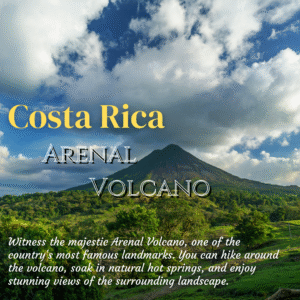
- Arenal/La Fortuna: Perfect for travelers who want volcanoes, hot springs, waterfalls, and options for all activity levels
- Monteverde: Best for cooler weather, hanging bridges, and rich natural wildlife in the cloud forest
- Guanacaste: Known for some of the best weather in dry season, with easygoing beach escapes and family-friendly resorts
- Central Pacific/Manuel Antonio: A great blend of rainforest, wildlife, and accessible coastal beauty
- Osa Peninsula/Corcovado: Ideal for travelers craving remote, untamed nature and one of the richest ecosystems on Earth
If you have only 7 to 10 days, resist the urge to do everything. Most travelers are happiest choosing two or three bases rather than racing between both coasts. That leaves more space for the trip to breathe—for the morning coffee overlooking the jungle, the unhurried wildlife walk, the extra swim at sunset.
Arenal and Manuel Antonio make a strong combination for first-time visitors, while Guanacaste pairs well with a more relaxed beach-focused itinerary. For travelers seeking something quieter and more immersive, Monteverde and the Osa Peninsula offer a different rhythm altogether.
If you’re unsure which route fits your pace, budget, or interests, it helps to use a travel advisor who can shape the trip around you rather than around guesswork.
Plan Activities for All Levels
One of the best things about Costa Rica is how naturally it accommodates different travel styles. Whether your ideal day involves a hammock, a jungle trail, or a rapid-filled river, there’s room for everyone.
A good rule of thumb is to plan around energy level, not just ambition:
- Low-key travelers
- Short nature walks
- Hanging bridges
- Coffee tours
- Hot springs near the volcanoes
- Easy beach escapes
- Moderate adventurers
- Waterfall hikes
- Snorkeling
- Zip-lining
- Guided wildlife boat tours
- High-energy travelers
- White-water rafting
- Canyoning
- Surfing
- Full-day hikes through Costa Rica’s diverse regions
Arenal is especially good for mixed groups. One person can take a lava trail hike while another slips into thermal waters for the afternoon. Manuel Antonio offers a similar balance, with manageable park trails, wildlife viewing, and active options like kayaking or surfing nearby.
That flexibility matters. With roughly 25% of the country protected, Costa Rica gives travelers broad access to landscapes and experiences that feel both adventurous and deeply restorative.
During the best weather months, usually from December through April, it’s often easier to combine mountain excursions with coastal downtime thanks to better visibility and smoother road conditions. Still, the right itinerary isn’t the busiest one. It’s the one that leaves room for wonder without exhaustion.
If your group includes kids, older adults, or travelers with very different interests, it can be especially helpful to use a travel advisor to balance pace, logistics, and expectations. The best Costa Rica trips aren’t about doing everything—they’re about experiencing the right things, at the right speed.